
Arrest Warrants in St. Louis City
For a St. Louis City arrest warrant question, the Circuit Clerk and the issuing court hold the answer. The Circuit Attorney page explains what the Warrant Office does, and the section ahead covers its role.
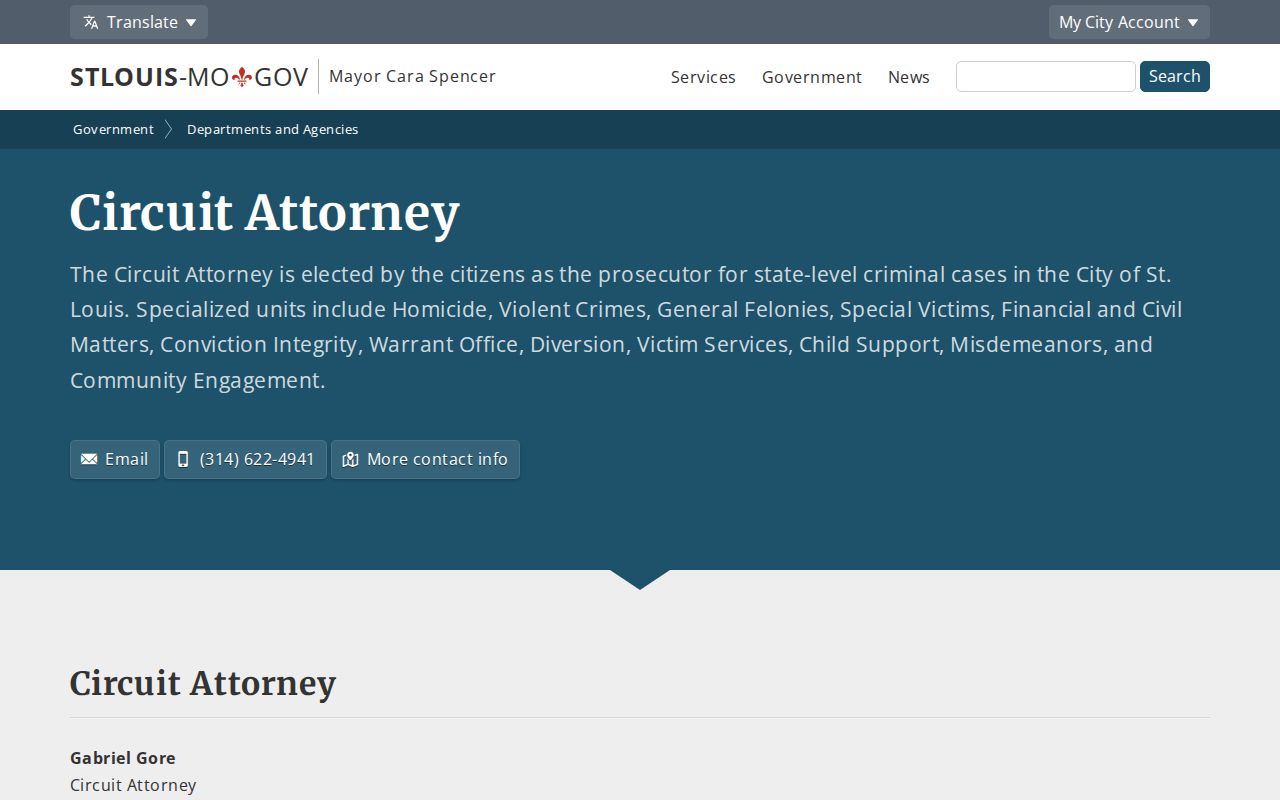
This office reviews police reports, while a judge issues the court order.
The St. Louis Circuit Attorney Warrant Office
The Circuit Attorney Warrant Office in St. Louis City reads police reports and decides what state charges to file. That job sits apart from the judge who signs an arrest warrant, the Circuit Clerk who keeps the file, and the officers who carry the order out. Missouri law lets a judge issue a criminal warrant once the required showing is made. Law enforcement then executes it. Don't confuse the types, either. A search warrant authorizes a search described in the order itself. A municipal bench warrant usually follows a missed City court appearance. Public case tools add their own wrinkle. They may show the case yet leave out the warrant documents. If you suspect an active arrest warrant, call counsel and the issuing court before you arrange surrender or bond.
What a St. Louis City Arrest Warrant Contains
The Circuit Clerk and issuing court confirm state arrest-warrant information.
| Warrant Number | The Circuit Clerk and issuing court confirm state arrest-warrant information. |
|---|---|
| Named Subject | The Circuit Clerk and issuing court confirm state arrest-warrant information. |
| Charge / Offense | The Circuit Clerk and issuing court confirm state arrest-warrant information. |
| Issuing Judge / Court | The Circuit Clerk and issuing court confirm state arrest-warrant information. |
| Bond / Bail Set | The Circuit Clerk and issuing court confirm state arrest-warrant information. |
| Date Issued | The Circuit Clerk and issuing court confirm state arrest-warrant information. |
The St. Louis Circuit Attorney Warrant Office
In St. Louis City, charging decisions on state criminal matters come from the Circuit Attorney Warrant Office, which reviews the police reports. That role is distinct from every other piece of the process. A judge issues the arrest warrant. The Circuit Clerk maintains the file. Officers serve the order. Missouri law requires a proper showing before a judge issues a criminal warrant, and law enforcement is directed to execute it. Search warrants work differently, since one authorizes the search spelled out in the order. A municipal bench warrant is its own thing too, often tied to a missed City court appearance. Be careful with public case tools. A case can appear there while the warrant documents stay hidden. Suspect an outstanding arrest warrant? Talk to counsel and the issuing court first, before any surrender or bond.
How Arrest Warrants Are Served
For state arrest-warrant information in St. Louis City, the Circuit Clerk and the issuing court give the answer. A warrant check starts with those offices.
The St. Louis Circuit Attorney Warrant Office
The Circuit Attorney Warrant Office handles the front end of state criminal cases in St. Louis City: it reviews police reports and makes the charging decisions. Everything after that belongs to other hands. A judge issues the arrest warrant. The Circuit Clerk maintains the file. Law enforcement serves the order. Under Missouri law, a judge may issue a criminal warrant only after the required showing, and the warrant directs officers to execute it. Distinguish it from a search warrant, which authorizes just the search described in the order. A municipal bench warrant stands apart as well, since it often follows a missed City court appearance. One more caution. Public case tools may list the case without showing every warrant document. Anyone who suspects an arrest warrant should contact counsel and the issuing court before arranging surrender or bond.
Arrest Warrant vs Summons vs Bench Warrant
The Circuit Clerk and issuing court confirm state arrest-warrant information.
| Feature | Arrest Warrant | Summons | Bench Warrant |
|---|---|---|---|
| What It Orders | Confirm this detail with the issuing St. Louis court. | Confirm this detail with the issuing St. Louis court. | Confirm this detail with the issuing St. Louis court. |
| Basis | Confirm this detail with the issuing St. Louis court. | Confirm this detail with the issuing St. Louis court. | Confirm this detail with the issuing St. Louis court. |
| Who Issues It | Confirm this detail with the issuing St. Louis court. | Confirm this detail with the issuing St. Louis court. | Confirm this detail with the issuing St. Louis court. |
| How to Respond | Confirm this detail with the issuing St. Louis court. | Confirm this detail with the issuing St. Louis court. | Confirm this detail with the issuing St. Louis court. |
The St. Louis Circuit Attorney Warrant Office
Charging is the Circuit Attorney Warrant Office's piece of the puzzle in St. Louis City state cases. It reviews police reports and files charges. The rest of the warrant process runs through separate offices. A judge issues the arrest warrant after the showing Missouri law requires. The Circuit Clerk maintains the file. Officers execute the order. A search warrant is a different animal, because it authorizes the search written into the order. A municipal bench warrant differs too, often answering a missed City court appearance in City court. Here is a trap worth knowing. Public case tools may display the case yet omit the warrant documents themselves. So if an active warrant seems possible, contact counsel and the issuing court before you arrange surrender or bond.
What to Do If There Is a Warrant for You
The Circuit Clerk and issuing court confirm state arrest-warrant information.
Important: Confirm this detail with the issuing St. Louis court.